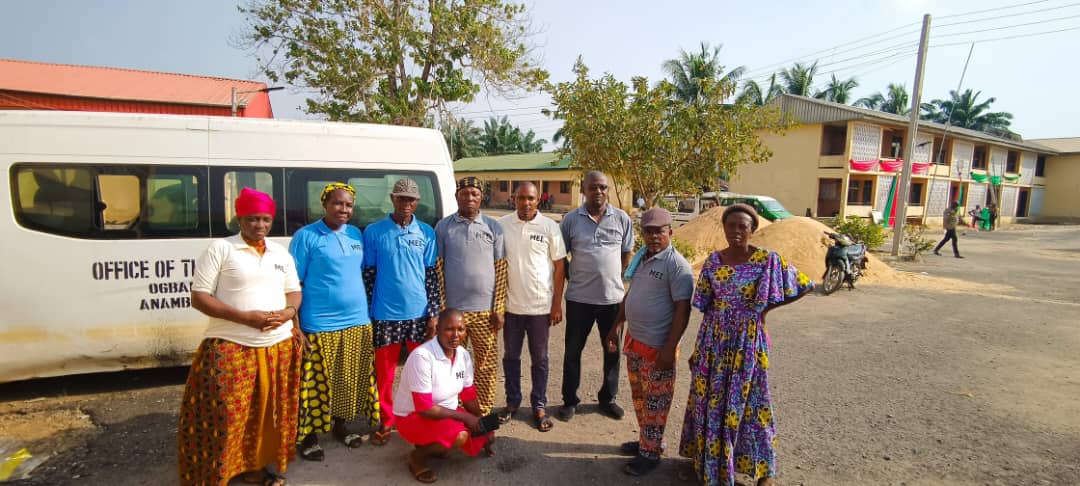
Transforming Communities Through Climate Action, Agriculture & Livelihood Resilience
Magutapa Empowerment Initiative (MEI) is a nonprofit organization dedicated to creating sustainable change in Nigeria by addressing the critical challenges of climate change, agricultural development, and community empowerment. Established with a vision to uplift underserved and disaster-affected communities, we recognize that lasting transformation begins with building resilience, providing livelihood support, and empowering communities to adapt to environmental challenges.
OUR VISION
We envision communities across Nigeria where residents have the knowledge, resources, and capacity to adapt to climate challenges, sustain their livelihoods, and achieve self-reliance through resilient agricultural practices and early warning systems.
OUR MISSION
To transform vulnerable and disaster-affected communities into resilient, self-sustaining ecosystems through holistic interventions in climate adaptation, agricultural development, and livelihood empowerment.
We empower communities to actively shape and lead our initiatives, ensuring they are relevant, culturally appropriate, and impactful for lasting change.
We prioritize vulnerable populations including women, elderly persons, youth, and people with disabilities, ensuring equitable access to our programs and interventions.
Our Thematic Areas
Our strategic investments in Climate Resilience, Agricultural Development, and Community Empowerment for sustainable growth.
Climate Resilience & Disaster Risk Reduction
Nigeria, like other regions globally, faces increasing climate-related disasters. The devastating 2022 floods affected over 1.4 million people, killed 603 individuals, and destroyed 332,327 hectares of farmland across the country. Communities lack early warning systems, coping strategies, and adaptive capacity to mitigate flooding impacts.