
Close


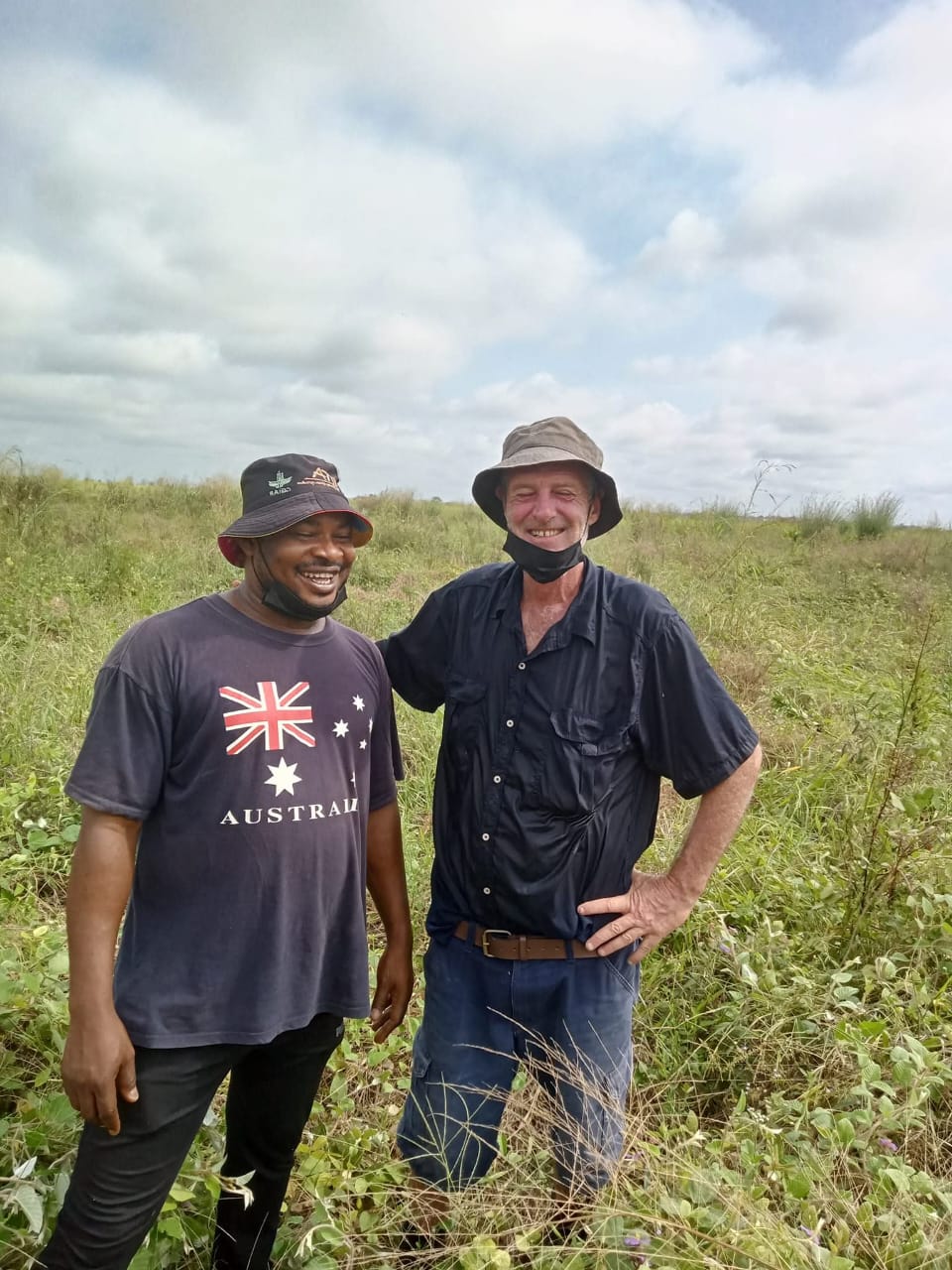
Nigeria, like other regions globally, faces increasing climate-related disasters. The devastating 2022 floods affected over 1.4 million people, killed 603 individuals, and destroyed 332,327 hectares of farmland across the country. Communities lack early warning systems, coping strategies, and adaptive capacity to mitigate flooding impacts.
Our Approach:
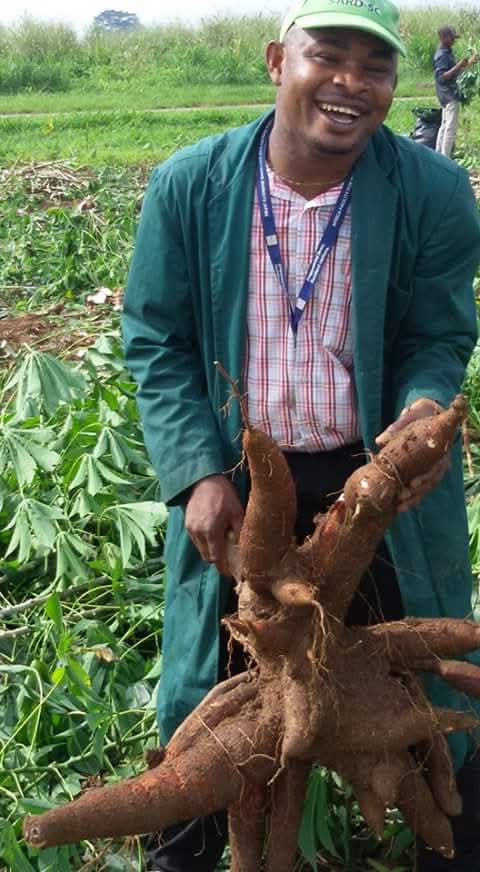
Rural communities depend heavily on agriculture for livelihoods, yet climate change, flooding, and lack of modern farming techniques threaten food security and economic stability. Farmers need support to rebuild after disasters and adopt resilient farming practices.
Our Approach:
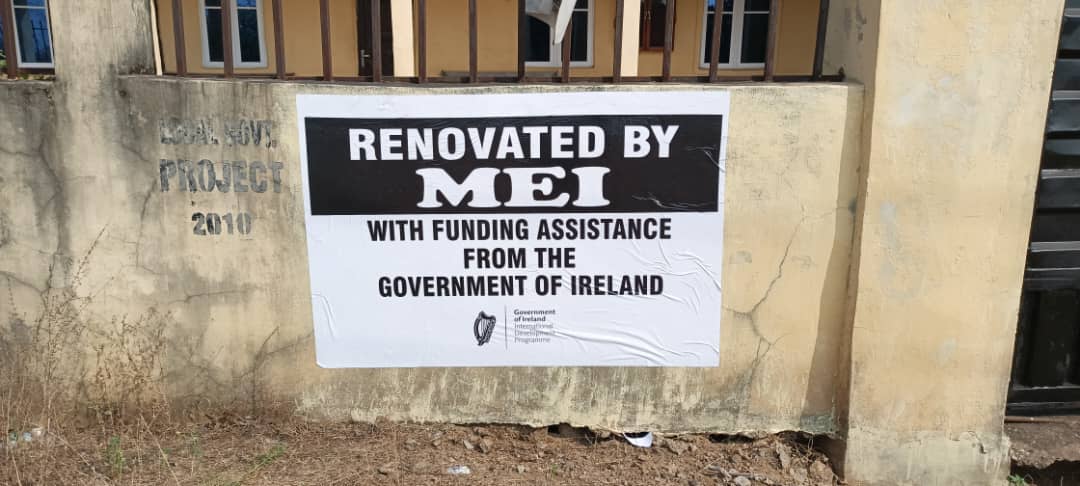
Vulnerable populations, especially women and the elderly, face disproportionate impacts from climate disasters and need targeted support to restore and sustain their livelihoods. Economic empowerment is critical for community resilience and poverty reduction.
Our Approach: